Signs You Have a Wasp, Hornet, or Yellow Jacket Problem
If you notice signs you have a wasp, hornet, or yellow jacket problem, local service providers can safely identify and eliminate the nests to protect your home.
If you’ve noticed increased activity around your property, such as buzzing sounds near eaves, nests hanging from trees, or sudden swarms gathering in the air, these could be signs you have a wasp, hornet, or yellow jacket problem. Recognizing these indicators early is important because these insects can become aggressive if they feel threatened, especially during nesting season. Property owners in the area often explore this topic to protect their families, pets, and outdoor spaces from potential stings and disturbances. Understanding the signs can help you decide when to seek assistance from local contractors who specialize in wasp, hornet, and yellow jacket treatment services.
Taking prompt action can make a significant difference in managing these pests before they become a bigger concern. If you observe persistent buzzing, nests on your property, or frequent sightings of aggressive insects, connecting with experienced service providers can ensure the problem is handled safely and effectively. Local contractors offer targeted treatment options designed to eliminate nests and prevent future infestations, giving property owners peace of mind and a safer environment. Keep reading to learn more about the common signs of a wasp, hornet, or yellow jacket issue and how trusted professionals can help address it.
- Wasp, Hornet, or Yellow Jacket Treatment - is needed when signs like visible nests or increased insect activity are present around your property, and local contractors can safely remove or treat the nests.
- Wasp, Hornet, or Yellow Jacket Treatment - may be required if you notice stinging insects near entry points or outdoor living areas, with service providers offering targeted removal solutions.
- Wasp, Hornet, or Yellow Jacket Treatment - is advisable when you detect a persistent buzzing or aggressive behavior from insects, and local pros can assess and eliminate the threat.
- Wasp, Hornet, or Yellow Jacket Treatment - becomes necessary if you find nests built in eaves, shrubs, or underground, with specialists equipped to handle the removal safely.
- Wasp, Hornet, or Yellow Jacket Treatment - should be considered if you experience sudden insect swarms or increased stinging incidents, as local contractors can help mitigate the problem effectively.
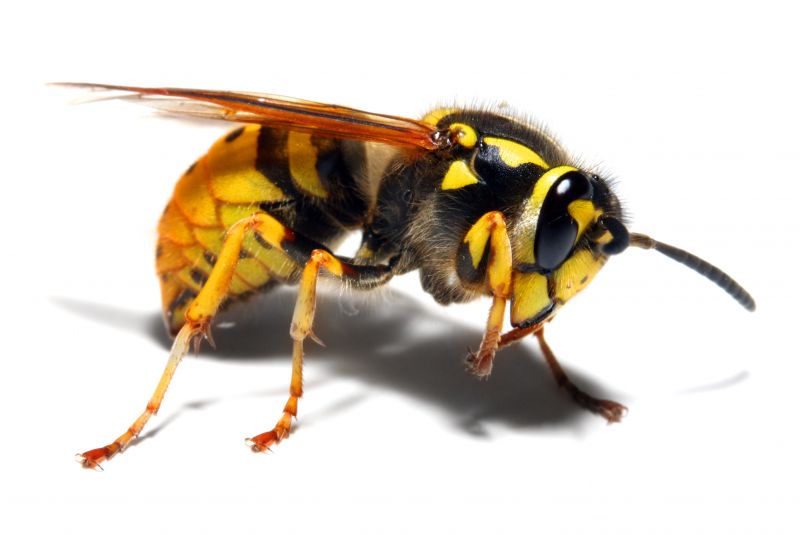
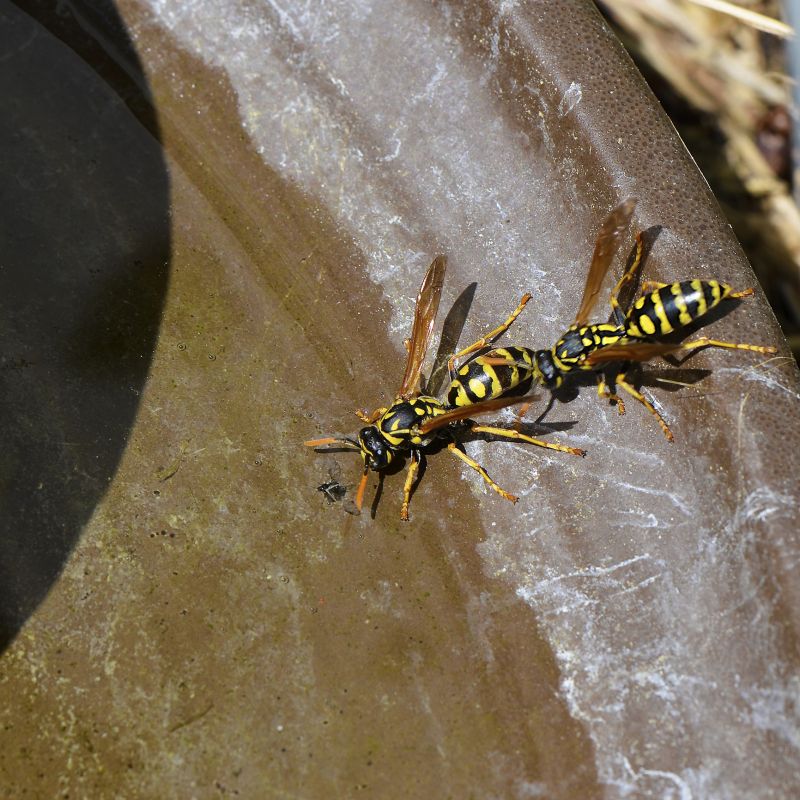
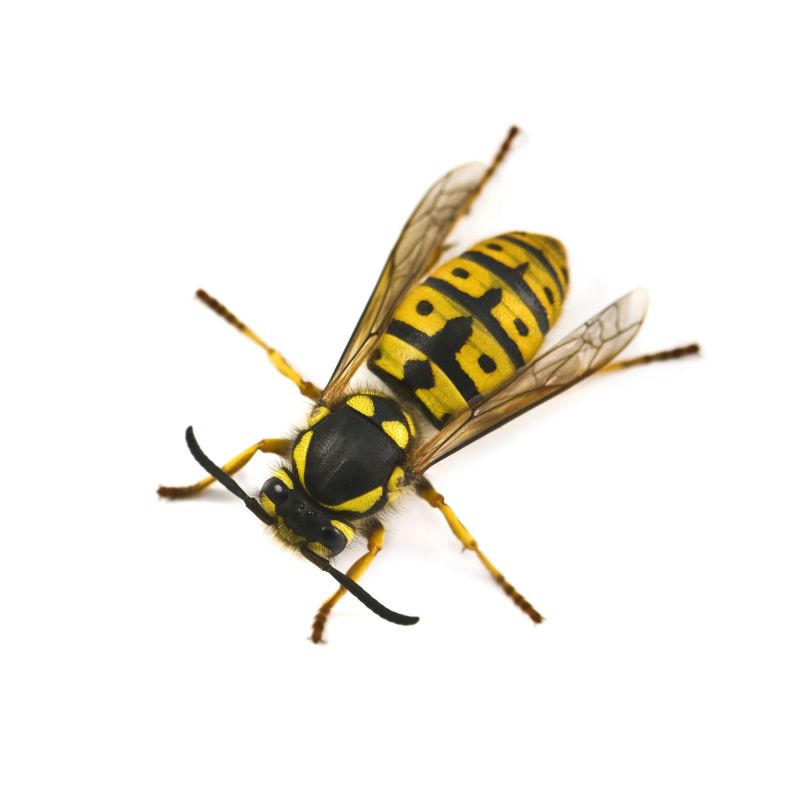
Many homeowners searching for signs you have a wasp, hornet, or yellow jacket problem are often concerned about the safety of their outdoor spaces and loved ones. These insects are known for their aggressive behavior, especially when their nests are disturbed, and they can pose a risk to anyone spending time outside during warmer months. People typically want to identify the presence of these pests early to prevent stings and avoid potential allergic reactions. Recognizing the signs of an infestation can help homeowners decide when to seek professional help to eliminate the problem safely and effectively.
This topic often relates to problems involving outdoor activity areas, such as decks, patios, gardens, and yards, where nests might develop unnoticed. It also ties into plans for property maintenance and pest prevention, especially for those who want to enjoy their outdoor spaces without the threat of aggressive insects. Homeowners may notice increased insect activity, buzzing sounds near specific areas, or even see wasps, hornets, or yellow jackets gathering around certain spots. Addressing these signs early can prevent larger nests from forming and reduce the risk of stings during routine outdoor activities.
The types of properties most commonly affected include residential yards, front and back gardens, and even commercial outdoor spaces like cafes or event venues. Structures such as eaves, roof overhangs, sheds, and trees often provide ideal nesting sites for these insects. Nests can sometimes be hidden behind walls or within dense shrubbery, making detection challenging. Recognizing the typical locations and signs of activity can help homeowners determine if professional treatment is needed to remove nests safely and prevent future infestations.
Understanding the signs you have a wasp, hornet, or yellow jacket problem is essential for planning an effective response. When signs are evident, it’s advisable to seek assistance from local service providers experienced in pest control and nest removal. These professionals can assess the situation, identify the species involved, and implement targeted solutions to eliminate nests and reduce the likelihood of recurring issues. Connecting with local contractors ensures that the problem is handled efficiently, safely, and in a way that minimizes disruption to outdoor living spaces.
Pest identification and inspection services - these projects involve assessing property for signs of wasp, hornet, or yellow jacket activity, which is essential for effective treatment planning by local contractors.
Wildlife exclusion and sealing projects - sealing entry points and nesting sites helps prevent wasp and hornet infestations, requiring planning skills similar to identifying signs of a problem.
Outdoor pest control treatments - applying targeted treatments to eliminate visible nests and reduce wasp, hornet, or yellow jacket populations involves techniques used in managing these pests.
Structural repairs and damage restoration - repairing areas where nests have caused damage or where pests have entered aligns with the planning needed for pest prevention and control.
Yard cleanup and debris removal - removing potential nesting sites like piles of wood or debris helps prevent signs of wasp or hornet activity, requiring similar planning skills.
Seasonal pest management consulting - advising on proactive strategies to prevent signs of wasp, hornet, or yellow jacket problems involves planning and assessment skills used in pest control services.
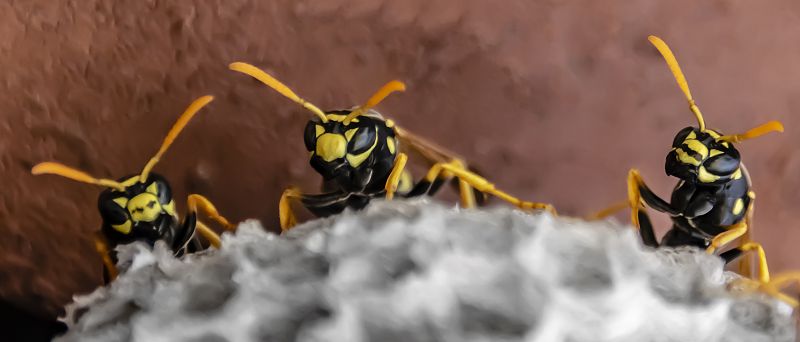
When evaluating service providers for wasp, hornet, or yellow jacket treatment, it’s important to consider their experience with similar projects. Homeowners should look for local contractors who have a proven track record in safely and effectively handling nest removals and pest control in residential settings. An experienced provider will understand the behaviors of different species and know the best techniques to minimize risks and ensure the problem is addressed thoroughly. This familiarity can help prevent recurring issues and provide peace of mind that the job is in capable hands.
Clear written expectations are essential when comparing local pros for wasp, hornet, or yellow jacket services. Homeowners should seek providers who offer detailed descriptions of their process, including how they identify nests, the methods they use to remove or treat them, and any follow-up steps involved. Having this information in writing helps set realistic expectations and ensures that both parties are aligned on what the service entails. It also provides a reference point if questions or concerns arise during or after the treatment.
Good communication and reputable references are key factors in choosing a reliable contractor. Homeowners are encouraged to ask for references or reviews from previous clients who had similar issues. This feedback can reveal how well the contractor communicates, whether they are transparent about their methods, and if they follow up to confirm the problem was resolved. Trustworthy service providers prioritize clear, ongoing communication and are open to addressing questions, which can make the process smoother and more predictable for homeowners dealing with a wasp, hornet, or yellow jacket problem.
Property owners often search for signs you have a wasp, hornet, or yellow jacket problem when they are planning practical projects around their homes and businesses. Local pros provide Wasp, Hornet, or Yellow Jacket Treatment services for everyday jobs and straightforward project options.
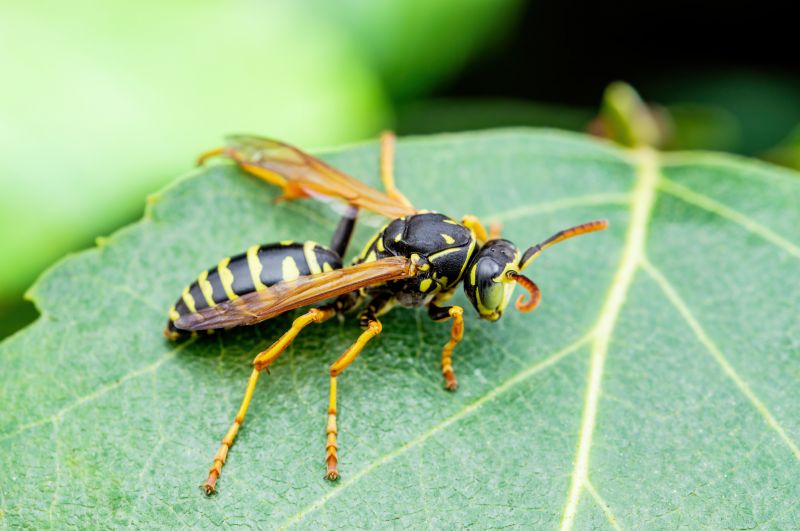
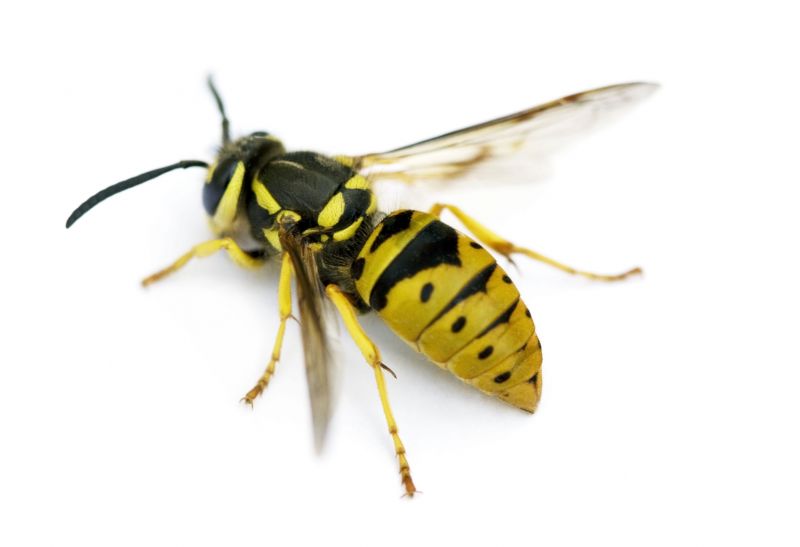
Property owners in the area often notice the presence of wasps, hornets, or yellow jackets during late summer months when these insects become more active around outdoor spaces. Common signs include seeing nests attached to eaves, porch ceilings, or shrubs, as well as frequent buzzing sounds near entry points or in garden areas. Additionally, encountering stinging insects near food, trash, or water sources can indicate an active problem that needs attention. Recognizing these signs early can help prevent stings and potential property damage, prompting homeowners to explore treatment options offered by local service providers.
When signs of a wasp, hornet, or yellow jacket problem become apparent, many property owners consider reaching out to local contractors who specialize in pest management. These professionals can assess the situation, identify the type of insects involved, and safely remove nests or establish barriers to reduce future activity. Engaging experienced local contractors can ensure the issue is handled effectively, minimizing risks to residents and maintaining outdoor comfort. For those noticing increased insect activity or suspecting a nest nearby, consulting local experts can be a practical step toward resolving the problem.
What are common signs of a wasp, hornet, or yellow jacket problem? Visible nests on eaves, walls, or trees, especially if they are papery or hanging structures, often indicate an active infestation. You might also notice increased insect activity around your property or persistent buzzing sounds near nests. Swarm activity or wasps flying near entry points can be a sign of a nearby colony. Local contractors can assess these signs and recommend appropriate treatment options.
How can I tell if I have an active wasp, hornet, or yellow jacket nest? An active nest typically has wasps or hornets entering and exiting regularly, especially during daylight hours. You may see wasps gathering around the nest or flying in and out. If the nest is large, papery, or located in an accessible area, it’s likely active. Professional service providers can confirm activity and safely handle removal or treatment.
Are there specific times when signs of a problem are more noticeable? Increased activity is often observed during late spring and summer when colonies grow. You might notice more wasps or hornets around late afternoon or early evening. If you see a sudden influx of insects or a nest with ongoing activity, it’s advisable to consult local experts for treatment options.
What should I do if I see a nest but am unsure if it’s active? Avoid disturbing the nest and keep a safe distance. Signs of activity, such as wasps entering or leaving, indicate an active colony. Contact local service providers to evaluate the situation and determine if treatment is necessary to prevent potential stings or further growth.
Can signs of a wasp, hornet, or yellow jacket problem appear indoors? Yes, if you notice wasps or hornets flying inside or nests forming in wall voids, attic spaces, or around windows, it suggests an indoor issue. Indoor signs include buzzing sounds, wasps in living spaces, or nests hidden behind walls. Local contractors can inspect and address indoor infestations safely and effectively.
Identifying nest locations - noticing large, papery or mud-like nests on eaves, trees, or walls can help property owners determine if professional wasp, hornet, or yellow jacket removal services are needed.
Monitoring insect activity - observing frequent buzzing or swarming around specific areas indicates the presence of aggressive insects that may require treatment from local contractors.
Recognizing stinging incidents - experiencing unexpected stings or seeing insects near skin can signal a nearby nest, prompting the need for expert pest removal services.
Assessing seasonal patterns - increased insect activity during warmer months may suggest a growing problem that local pros can address with targeted treatment solutions.
If you are thinking about signs you have a wasp, hornet, or yellow jacket problem for a property, this guide is meant to help you understand this topic, the typical project types, and how different options might fit your plans.
When you are ready, you can use the quote form on this page to share a few details about your project. From there, local pros can review the basics and follow up with options that match what you have in mind.